What to Do Now for a Prettier Summer Lawn
A prettier summer lawn starts in late winter, before the grass starts growing. Test your soil, add lime if the test calls for it, feed on the right schedule for your grass type, and get pre-emergent weed control down by early March. Do those four things now, and you won't spend July fighting the same problems you're looking at today.
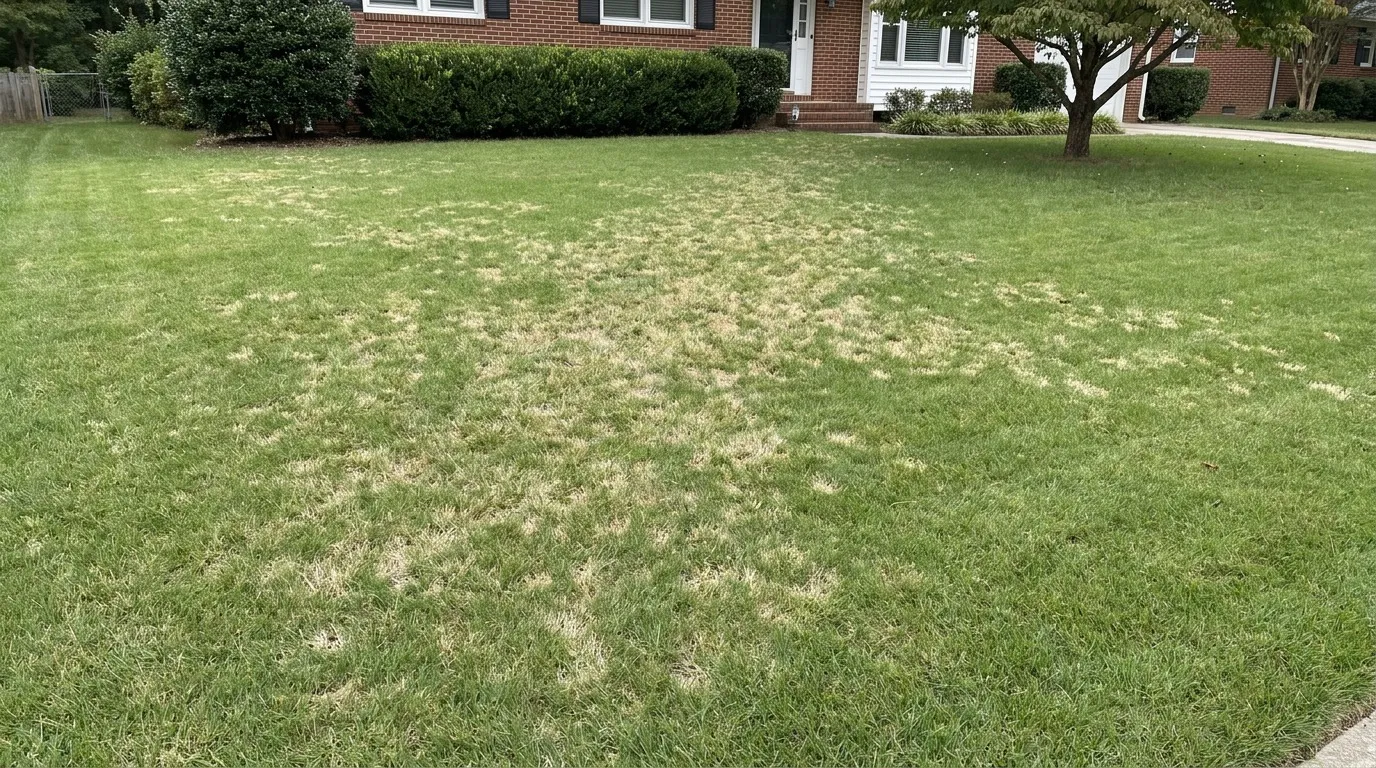
The holidays are here, the family is together, and you glance out the window at a patchy, weedy, not-very-green lawn. Tired of looking at it all winter? Dreading the thought of the same problems all summer?
The good news is that winter is the right time to start. The work you do before warm weather arrives sets up how the lawn looks in June. Here's what to do and when.
Start With a Soil Test
A soil test is the best place to begin. For an established lawn, test at least every two to three years. A test shows your soil pH and whether you're short on, or overloaded with, specific nutrients, so you only add what the lawn actually needs.
Home kits from a garden center will give you a rough pH reading. For a full picture, the NC Department of Agriculture and Consumer Services tests soil for North Carolina residents and reports pH, lime needs and nutrient levels. The service is free for most of the year, with a small fee during the winter peak season. Your county Extension center can help you collect and submit a sample, and the report comes with recommendations for correcting any problems it finds.
Applications: Lime and Fertilizer
Lime
Most North Carolina soils, including the clay soils of the Piedmont, are acidic. According to NC State Cooperative Extension, most lawn grasses take up nutrients best at a soil pH between 6.5 and 7.0. That covers tall fescue and Kentucky bluegrass as well as bermuda and zoysia. If your soil sits below that range, lime brings it back up. Let the soil test set the rate rather than guessing.
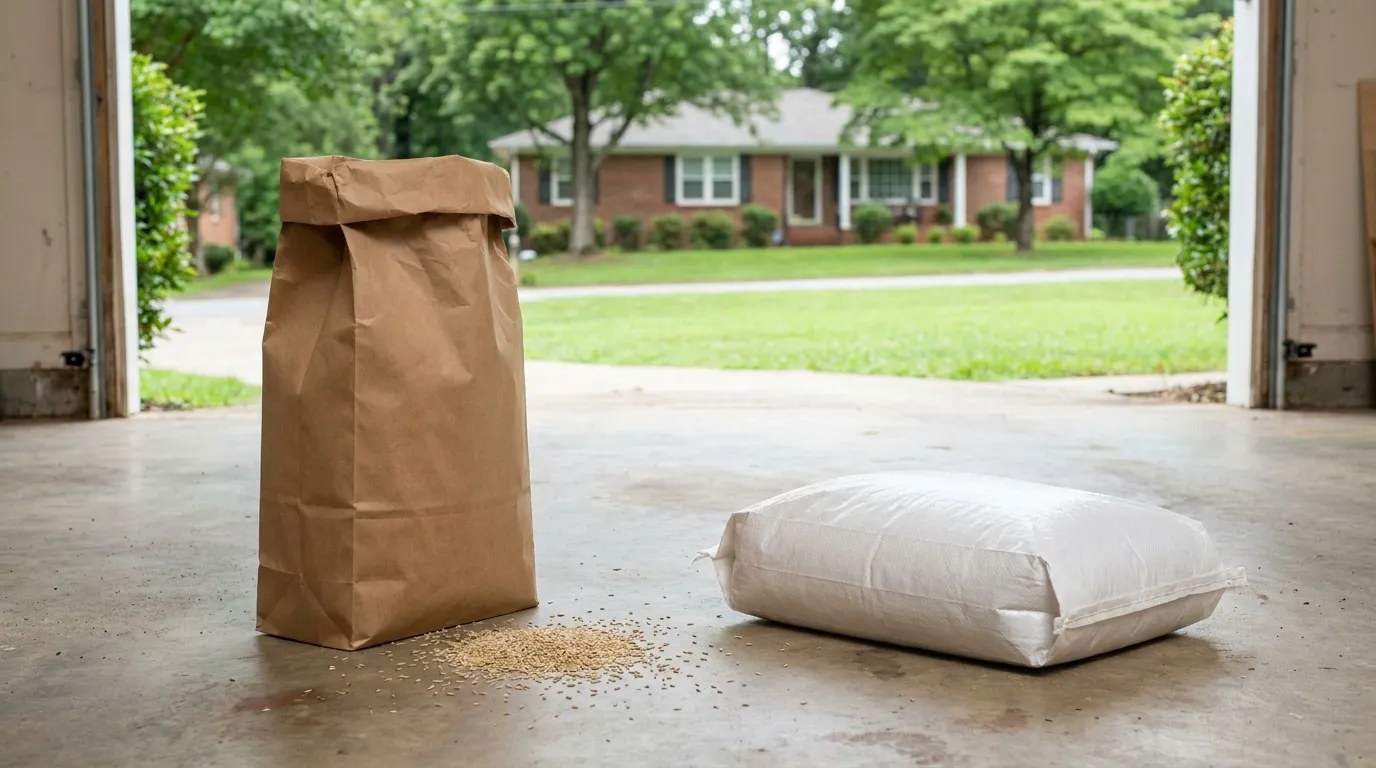
Lime works slowly. Unlike fertilizer, it shows results over months, not days. It can be applied any time of year, but winter is usually best: there's less foot traffic, gentle rains keep it from washing away, and freezing and thawing help work it into the soil. That makes right now a good time.
One exception: centipede grass prefers acidic soil with a pH close to 5.5 and rarely needs lime. Don't lime a centipede lawn unless a soil test calls for it. For more on why pH matters, see why soil acidity matters for your lawn.
Fertilizer for cool-season grasses
Cool-season grasses like tall fescue and Kentucky bluegrass get their late-winter feeding in February. The NC State Extension tall fescue calendar calls for 1 pound of nitrogen per 1,000 square feet that month. After that, spring feedings are light, between 1/5 and 1/2 pound, and only as needed for color or recovery, with the lower amounts after March 15. The big fescue feedings belong in the fall.
Slow-release fertilizers avoid a surge of growth that means more mowing. Organic fertilizers are slow-release by nature and feed both the lawn and the soil life more steadily.
Fertilizer for warm-season grasses
Bermuda, zoysia and centipede should not be fed until they have greened up and are actively growing. NC State says not to fertilize them at all from December through February. Once they're growing, each grass has its own schedule:
| Grass | First feeding | Summer feeding | Pre-emergent window |
|---|---|---|---|
| Tall fescue | 1 lb nitrogen in February | Light (1/5 to 1/2 lb) only as needed | Early March, sooner in the Piedmont and coastal plain |
| Bermuda | ½ to 1 lb several weeks after full green-up (early April to May) | 1 lb every 4 to 6 weeks | Mid-February to early March |
| Zoysia | ½ lb about 3 weeks after green-up | ½ to 1 lb in late June or early July, again in mid-August | Mid-February to early March |
| Centipede | No nitrogen before mid-May, then 1 lb | Only if needed, in mid-August | By March 1 |
Rates are pounds of nitrogen per 1,000 square feet, from the NC State lawn maintenance calendars. A soil test may adjust them.
Weeding: Get Ahead of Crabgrass
Keeping weeds out of the lawn also starts now. Prevention is easier than chasing weeds all summer, and the window for it is earlier than most people think.
Pre-emergent weed control stops crabgrass and other summer annual weeds before they come up. The NC State Extension calendars put that window at mid-February to early March for bermuda and zoysia, by March 1 for centipede, and early March for tall fescue, a little sooner in the Piedmont and coastal plain. April is past the recommended window for fescue, bermuda, zoysia and centipede alike.
Pre-emergent can go down at the same time as a fertilizer application, which saves a trip across the lawn. Not sure you need it? Read when pre-emergent is necessary.
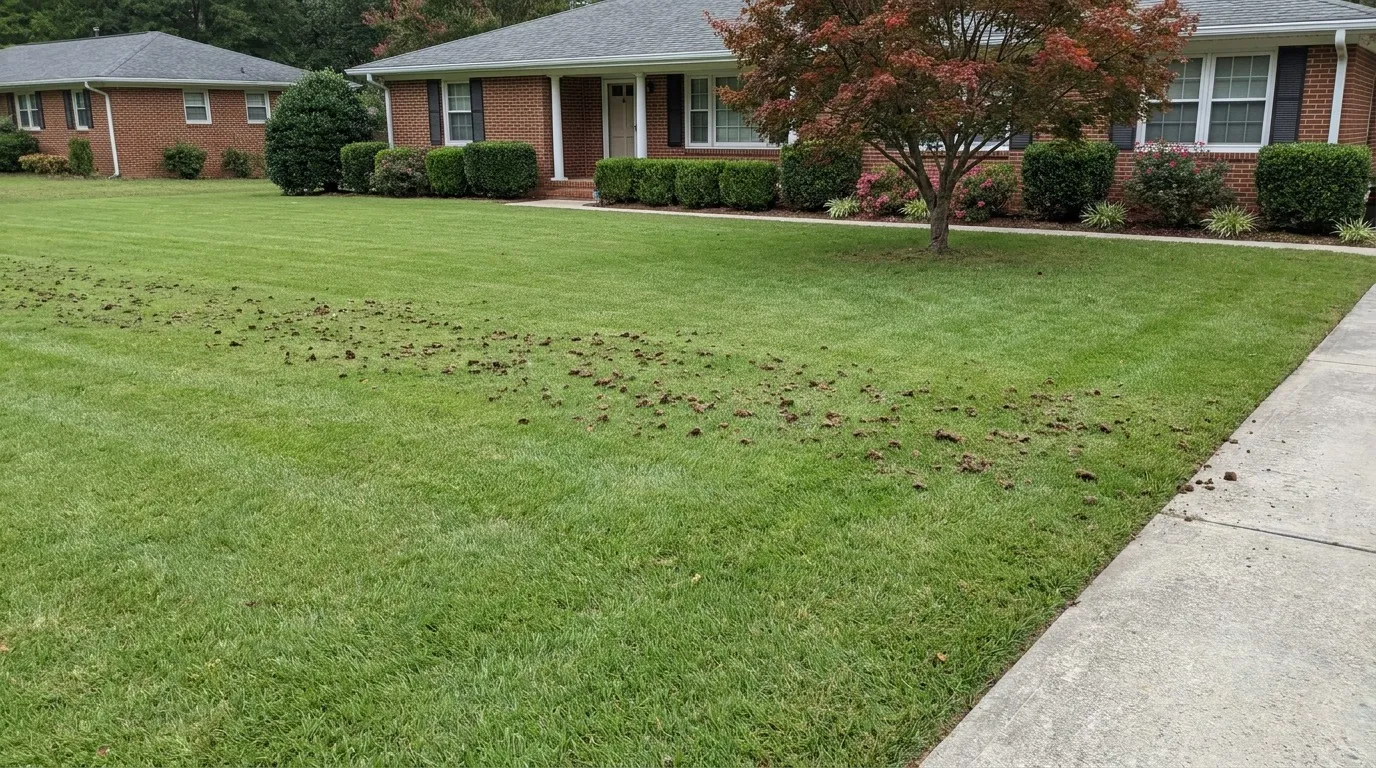
The longer-term weed defense is a thick, healthy lawn. Weeds move into thin, bare spots. Soil that's in balance grows dense turf that leaves them little room.
Frequently Asked Questions
When should I put lime on my lawn?
Lime can go down any time of year, but NC State says winter is usually best. Apply it based on a soil test, and skip it on centipede lawns unless the test calls for it.
How often should I test my lawn's soil?
At least every two to three years for an established lawn, and before you plant a new one.
When should I fertilize bermuda grass in North Carolina?
Not before it has fully greened up. NC State recommends the first feeding several weeks after full green-up, typically between early April and May, and no fertilizer from December through February.
Is April too late for crabgrass pre-emergent?
Usually, yes. NC State's windows run from mid-February to early March, depending on your grass type, so April falls after the recommended timing.
Your Summer Lawn Starts Now
Whether you like doing the work yourself or would rather hand it off, care now pays off in a lawn you'll enjoy all summer. When summer arrives, here's how to green up your lawn in summer.
If you'd rather not track the timing yourself, Nature's Select® Lawn Care takes care of it. Our lawn care programs and weed control and fertilization are built around a biological approach that feeds the soil, not just the grass, and every visit is timed to your grass type.
We serve homeowners in and around Winston-Salem, Greensboro, Chapel Hill and Pinehurst. Request your free estimate today and start the season ahead.