How to Prepare Your Garden for a Warmer Winter
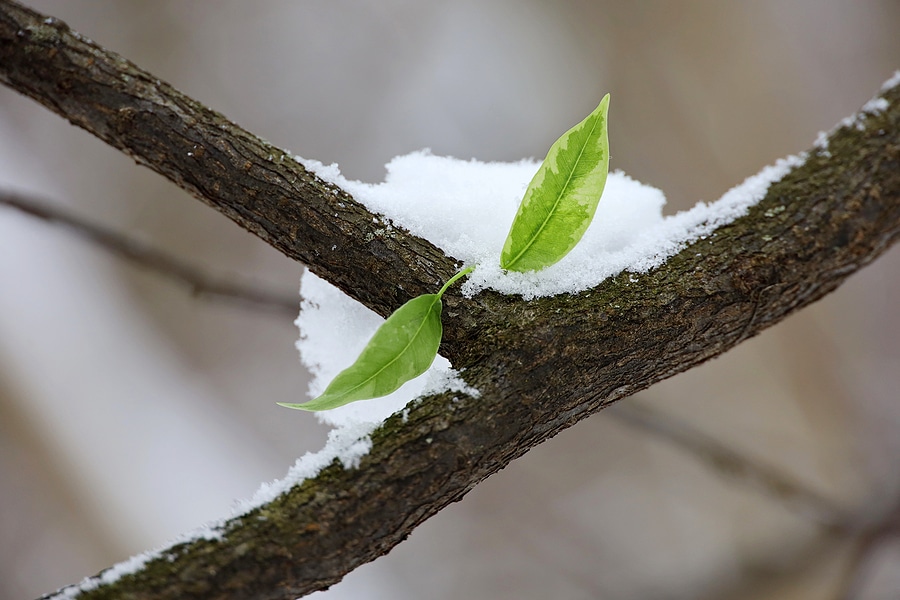
A warm winter is upon us, and while it may be nice not to have to worry about shoveling snow, the warmer weather can have an adverse effect on evergreen shrubs and trees. It’s important for homeowners to understand how a warm winter impacts their garden so they can take the necessary steps to keep their plants healthy throughout the season. Thankfully, Nature's Select Sandhills is here with everything you should know.
Why a Warmer Winter Is Bad for Trees & Shrubs
Evergreens are adapted to colder climates. Therefore, consistently warmer days during the winter months can cause serious damage to these plants. During cold winters, evergreens go into dormancy, which allows them to conserve energy until springtime. But when temperatures stay too high, these plants don’t enter full dormancy, which prevents key metabolic processes from occurring and inhibits growth. While we might enjoy a more mild winter, the higher temperatures make your foliage more susceptible to disease, insect infestation, and even death.
How To Protect Your Plants
The most important thing you can do is make sure you water your evergreens properly throughout the year—especially during dry periods or drought conditions—and avoid over-fertilizing them. Additionally, mulching is always a good idea as it helps retain moisture and keeps roots cool in the summer heat. With milder winter temperatures, you should maintain your watering schedule and continue to look for signs of stress.
Pruning Is Key
It's also important to prune your evergreens properly each winter before new growth begins. Doing so helps improve air circulation within your plantings and promotes healthier growth come springtime. Pruning also helps prevent disease by removing dead branches as well as those that rub against each other. Allowing plenty of room for airflow between branches reduces fungal diseases and other growth inhibitors.
Winter Tree Care is Here
A warm winter in Sandhills, NC, brings with it many advantages; however, it can also be detrimental to evergreen shrubs and trees if precautions aren't taken. Thankfully, you've got Nature's Select Sandhills on your side. We offer great tree and shrub programs that will keep your foliage looking great all year long. We even offer specific boxwood programs and lawn care. So, get your free estimate from us today by calling (910) 757-0359, and let's keep your trees happy and healthy!